Songs do not break on the radio anymore — they break when the right sound lands in front of the right audiences on TikTok, Reels and Shorts. A music clipping campaign turns that distribution into something you can actually buy: instead of making every clip yourself or hoping one influencer carries the song, you let dozens of creators post short videos built around your sound, and you pay only for the verified views they generate. This guide shows artists, managers and labels exactly how to set one up.
Quick answer
Run a clipping campaign using your song, snippets or music video as the asset. Many clippers create TikToks, Reels and Shorts using your sound, and you pay only per verified view. It is how songs get seeded onto TikTok at scale without you having to make every clip yourself — you supply the hook, the creators supply the volume and variety.
Why Music and Clipping Are a Natural Fit
Short-form virality is sound-driven. On TikTok, Reels and Shorts, a single audio clip can be reused across thousands of videos, and the platforms actively group content by the sound it uses. A catchy hook attached to a relatable moment, a dance, a meme, or a piece of storytelling is exactly the kind of thing the algorithm loves to spread — and the song rides along with it.
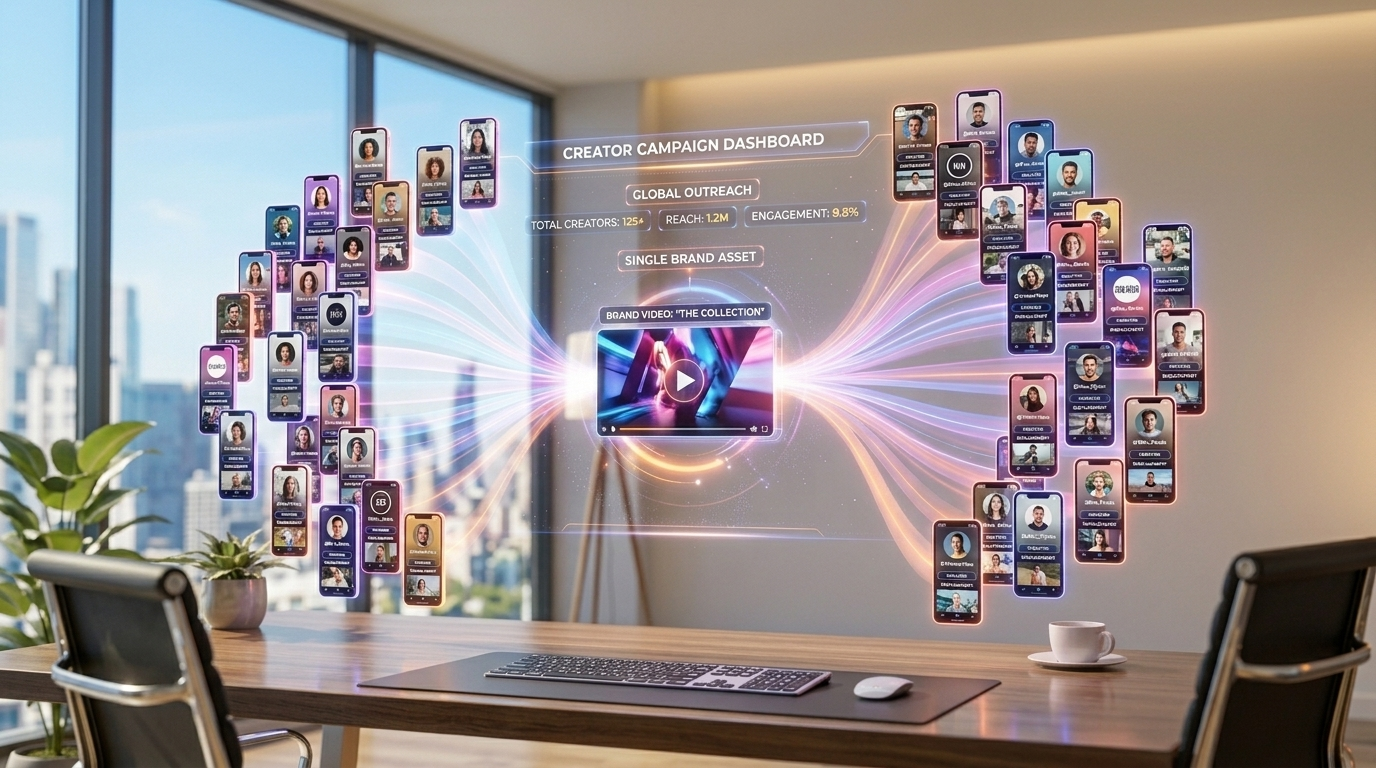
That is precisely what clipping is built to do. Instead of betting everything on one post, a clipping campaign puts your sound in front of many different audiences at the same time. Each creator brings their own followers, their own style and their own angle, so your track gets dozens of independent shots at finding the listeners it resonates with. For music — where one clip catching fire can move streams, saves and followers — that breadth of distribution is the whole game.
How a Music Clipping Campaign Works
The mechanics are simple and performance-based. You provide the track or a few snippets, clippers build short videos around the most addictive part of the song, and you pay per verified view at a rate you control. In practice it runs in three moves:
- You supply the sound: upload the full track or, better, a few tightly cut snippets — the hook, the drop, the most quotable line.
- Clippers build clips around the hook: creators take your sound and pair it with their own footage, trends or edits, then post natively to TikTok, Reels and Shorts.
- You pay per verified view: view counts are read directly from the TikTok, YouTube and Instagram APIs, so you pay for real plays — not screenshots or self-reported numbers.
The structure is the same one brands use for any campaign — if you want the full mechanics end to end, see our guide on how to run a clipping campaign. The only thing that changes for music is the asset: your song is the star, and the clip is the vehicle that carries it.
What Assets to Give Clippers
Clippers can only be as good as the sound and direction you hand them. The single most important asset is the catchiest 10–20 seconds of your song — the hook or drop that makes someone stop scrolling. Everything else supports that.
- The hook or drop (10–20s): a clean, isolated cut of the most viral moment of the track. This is the non-negotiable.
- A few snippets: two or three alternate segments so creators can choose the section that fits their idea.
- Optional visuals: music video clips, cover art, a visualizer or lyric moments creators can drop in when they have nothing of their own.
- Lyric moments: the most quotable or relatable lines, called out so clippers can lean into captions and on-screen text.
- Attribution details: the exact track title and your artist handle so every clip points back to you.
A quick set of do's and don'ts keeps quality high without smothering creativity. Do tell clippers which moment to feature and give them clean audio. Do let them adapt the song to trends and their own footage. Don't dictate every second of the video, and don't hand over only the full three-minute track and expect creators to find the hook for you — that work is yours to do up front.
How to Set It Up: Budget, CPM and Payout Rules
You control results through three levers. You set a total budget — a hard cap you can never overspend — a CPM, which is what you pay per 1,000 verified views (commonly $1–$5), and payout rules like a maximum payout per video and a minimum view threshold before a clip earns. Together these decide whether you attract a large swarm of casual posters or a smaller pool of serious creators.
These settings are the single biggest driver of how a music campaign performs. We wrote a dedicated, no-fluff guide on exactly how to think about them: How to Set Up a Clipping Campaign: CPM, Max Payout & Minimum Views Explained. On ClipAffiliates you fund your budget (deposits carry a small 9% platform fee, and unused funds can be withdrawn anytime), and payouts to clippers are sent in crypto.
What Results to Expect
The first goal of a music clipping campaign is seeding the sound — getting your audio attached to enough native videos that the platforms recognize it and start surfacing it on their own. Once your sound is established as a usable, trending audio, two things tend to compound.
- UGC compounds: the more clips that exist with your sound, the more material the algorithm has to test, and the more entry points new listeners have to discover the track.
- Fans start making their own clips: once a sound feels alive, regular users begin using it without being paid to — which is the organic flywheel every artist is chasing.
Set expectations honestly: a campaign reliably buys you broad, verified distribution, and it stacks the odds in your favor. It does not guarantee a hit. What it does is give the right song many more chances to be found than a single post ever could.
Tips for Artists & Labels
- Pick the most viral moment. Be ruthless about choosing the hook. If you would not stop scrolling for it, neither will anyone else.
- Give creative freedom. The variety across creators is what makes a sound spread — hand them a lane, not a script.
- Ride trends. Point clippers at current formats and challenges your sound could slot into, but let them run with the idea.
- Make attribution clear. Always include the exact track title and your artist handle so listeners can find and save the song the moment a clip lands.
- Time it with the release. Seed the sound around your release window so streams and follows have somewhere to go when the clips hit.
Clipping Has Become a Mainstream Music-Marketing Tactic
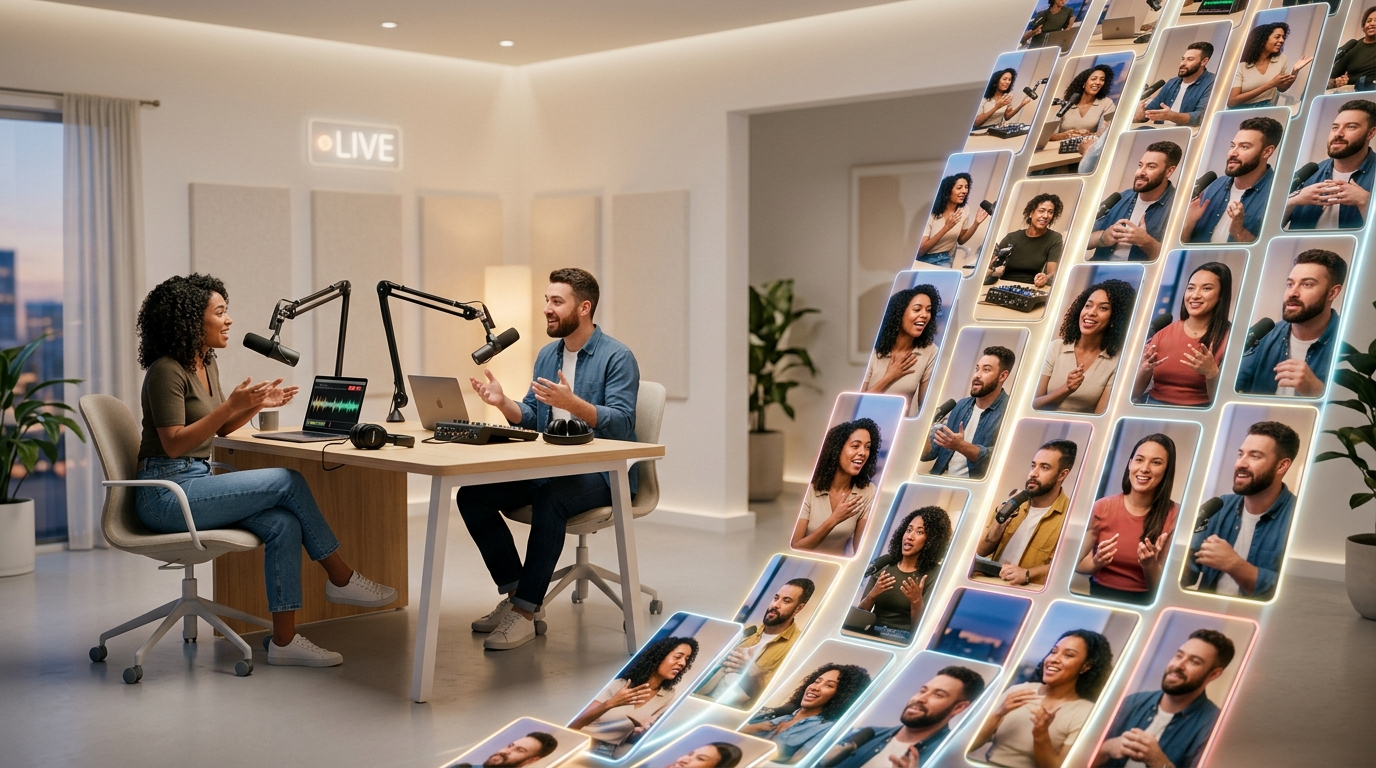
Using creators to seed a sound across short-form platforms is no longer a fringe growth hack — it has become a standard part of how songs are marketed. Because discovery on TikTok, Reels and Shorts is driven by audio, getting a track into the hands of many creators at once maps neatly onto how these platforms actually distribute content. Artists and labels of every size now treat short-form seeding as a core channel alongside playlisting and traditional promotion, and a pay-per-view clipping campaign is one of the most measurable ways to do it. The same playbook works beyond music, too — if you produce spoken-word content, see how to promote your podcast with clippers.
Ready to get your sound on TikTok?
Launch a music clipping campaign in minutes, set your own CPM and budget, and only pay for verified views.
Promote Your MusicFrequently Asked Questions
How do you promote a song with clippers?
You run a music clipping campaign: upload your track or a few short snippets, write a brief pointing clippers to the catchiest 10–20 second hook or drop, set your budget and CPM, then publish it to a marketplace like ClipAffiliates. Many creators build TikToks, Reels and Shorts using your sound, and you pay only for verified views.
How much does a music clipping campaign cost?
You set the budget. You only pay for verified views at a CPM you choose (commonly $1–$5 per 1,000 views), plus a small 9% platform fee on your deposit. Unspent budget stays in your account, so a campaign can never overspend the cap you set.
Does clipping actually make songs go viral?
Nothing guarantees virality, but clipping is built for the way short-form discovery works. By getting your sound in front of many different audiences at once, you give the algorithm many chances to find the listeners it resonates with — and when a clip lands, fans often start making their own videos with your sound, compounding the reach.
What do I give clippers to promote my music?
At minimum, the catchiest 10–20 second hook or drop, plus a few snippets clippers can build around. Optional extras like the music video, cover art, lyric moments and visualizers help. Always include the exact track title and your artist handle so attribution is clear and listeners can find you.